How to Wear a Hijab: Easy Step-by-Step Guide for Beginners
Learning how to wear a hijab can seem difficult when you see complicated wrapping styles online. In reality, you don’t need an elaborate technique to create a comfortable and neat hijab look.
A simple rectangular scarf, a suitable undercap, and a few basic styling steps can be enough to get started.
Once you become comfortable with the basic method, you can experiment with different fabrics, colors, lengths, and wrapping techniques to find a style that suits you.
This beginner-friendly guide explains how to put on a hijab step by step, what you may need, how to choose the right fabric, and how to keep your hijab comfortable and secure throughout the day.
What Do You Need to Wear a Hijab?
You don’t need many accessories to start wearing hijab.
The basic items are:
- A hijab or headscarf
- An optional hijab undercap
- One or more pins or magnets if needed
- A modest outfit that complements your hijab
The exact items you need depend on the fabric and the style you want to create.
Some fabrics stay in place more easily than others, while slippery fabrics may benefit from an undercap or suitable securing method.
Step 1: Choose the Right Hijab
Start with a hijab that is comfortable and manageable.
If you are a beginner, a rectangular hijab can be a useful option because it gives you enough fabric to experiment with different wrapping techniques.
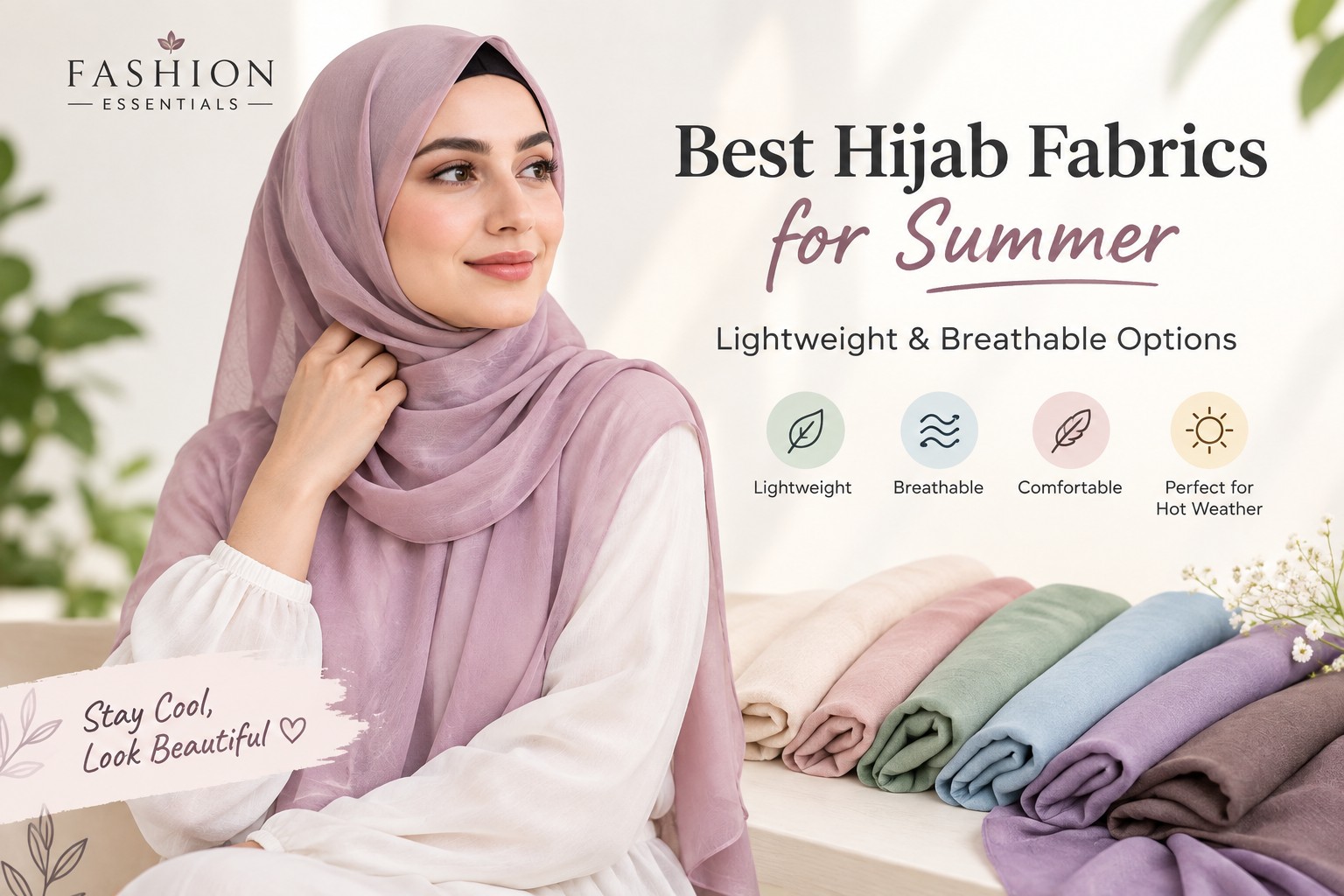
Fabric is also important.
Chiffon
Chiffon is lightweight and can create an elegant flowing look. However, some chiffon fabrics can move more easily, so an undercap can be helpful.
Georgette
Georgette can have a slightly textured surface and may be easier to manage than very smooth fabrics, depending on its construction.
Jersey
Jersey is stretchy and soft, making it a popular choice for comfortable everyday styling.
Cotton
Cotton can provide a natural and breathable feel and can be suitable for casual wear.
If you’re unsure which fabric to start with, choose one that feels comfortable and is easy for you to control.
Step 2: Prepare Your Hair
Before putting on your hijab, arrange your hair comfortably.
A low bun or simple hairstyle can help reduce unnecessary bulk underneath the scarf.
Avoid making your hairstyle too tight. Your hijab should feel comfortable rather than creating unnecessary pressure.
If you have longer hair, keeping it securely contained can also help prevent stray hairs from appearing around the edges.
Step 3: Wear an Undercap if You Need One
An undercap is worn underneath the hijab.
It can help create a secure base and can be particularly useful with fabrics that tend to move.
An undercap may also help:
- Keep hair contained
- Reduce slipping
- Make styling easier
- Create a smoother foundation
- Provide additional coverage
An undercap isn’t required for every hijab or every style. Whether you use one depends on your fabric, hair, preferred look, and comfort.
Step 4: Place the Hijab on Your Head
Take your rectangular hijab and place it over your head.
Leave one side slightly longer than the other.
The amount of fabric you leave at each side depends on how much coverage and draping you want.
For a simple beginner style, you can start with one side approximately twice as long as the other.
Don’t worry about getting the proportions perfect. You can adjust the scarf as you go.
Step 5: Secure the Hijab Under Your Chin
Bring both sides underneath your chin.
You can secure the fabric using a small pin, magnet, or another method that works for you.
Avoid fastening it too tightly.
You should be able to move your head comfortably without feeling pressure around your jaw or neck.
Step 6: Wrap the Longer Side
Take the longer side of the hijab and bring it around your head.
Depending on your preferred style, you can take it across the front, around the back of your head, or over your shoulder.
The goal at this stage is to create a comfortable layer while keeping the desired coverage.
Step 7: Adjust the Front
Look at the fabric around your face and make small adjustments.
You can create a closer frame around the face or leave the fabric slightly looser for a relaxed appearance.
Try not to pull the fabric excessively.
A comfortable hijab should allow natural movement while maintaining the coverage you want.
Step 8: Drape the Remaining Fabric
Once the front looks the way you want, allow the remaining fabric to fall over your shoulder.
You can leave it loose for a simple look or arrange it around your shoulders for additional coverage.
This is where you can begin developing your personal style.
Step 9: Check the Back and Sides
Before leaving the house, check your hijab from different angles.
Make sure:
- Your hair is covered as desired.
- The fabric is comfortable around your face.
- Your neck and shoulders have the coverage you want.
- The scarf isn’t pulling too tightly.
- The layers are sitting comfortably.
A small adjustment at this point can make the hijab much more comfortable throughout the day.
Easy Hijab Style for Beginners
If you’re completely new to hijab, don’t start by trying complicated tutorials.
A simple wrap is often the easiest place to begin.
Try this basic method:
- Place the scarf over your head.
- Leave one side longer.
- Secure it comfortably under your chin.
- Bring the longer side around your head.
- Drape it over your opposite shoulder.
- Adjust the fabric around your face.
- Check your desired coverage.
After practicing this style several times, you can start experimenting with more variations.
How to Wear a Hijab Without Pins
Some hijab fabrics and styles can be worn without traditional pins.
Stretchy fabrics such as jersey can sometimes provide enough grip to remain in place.
An undercap can also create a more secure foundation.
However, whether you need pins depends on:
- Fabric
- Hair type
- Hijab size
- Wrapping technique
- Activity level
- Personal preference
If you prefer not to use pins, experiment with fabrics that have more grip and simple wrapping methods.
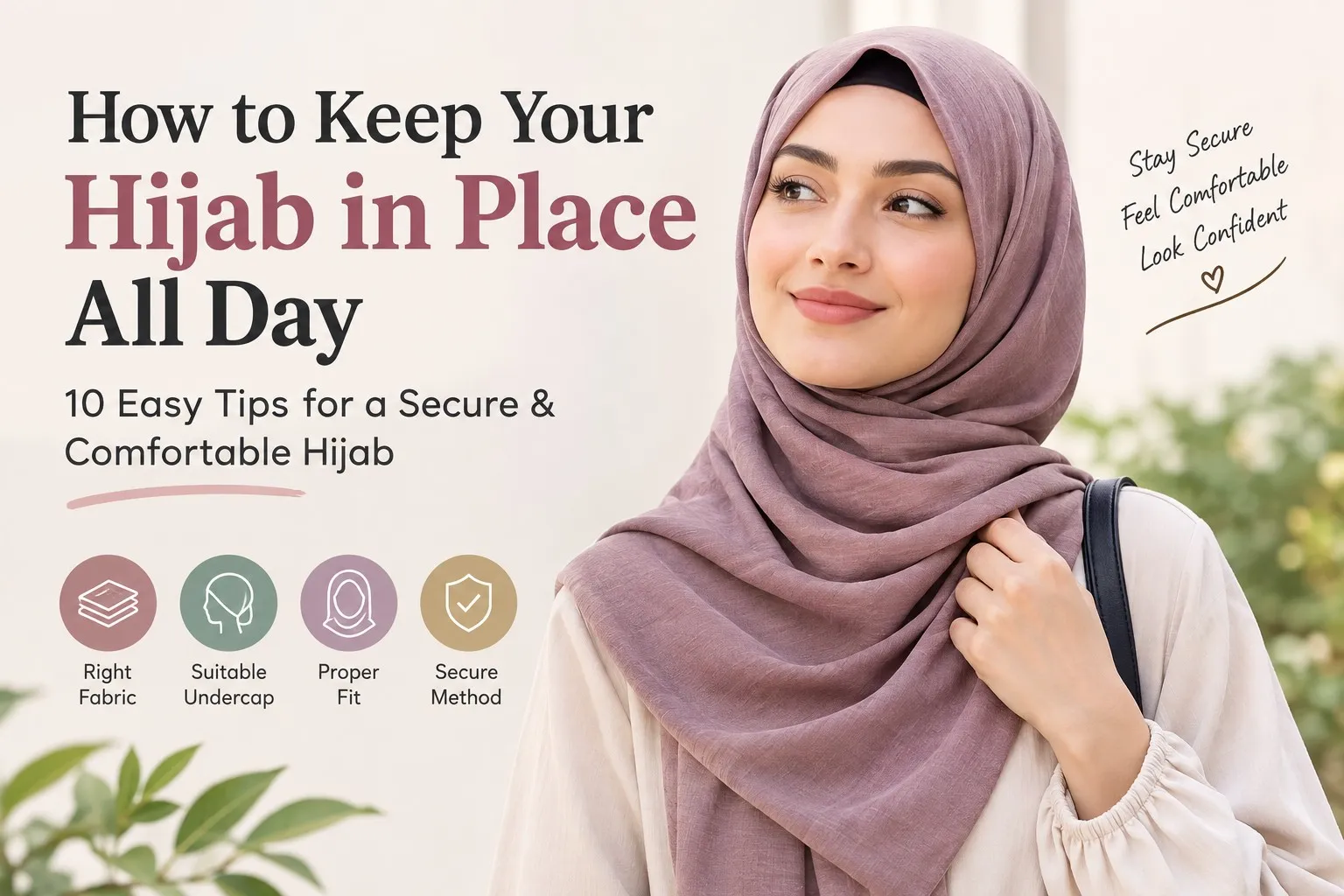
How to Keep Your Hijab From Slipping
One of the most common challenges for beginners is a hijab that keeps moving.
Several factors can contribute to slipping.
Choose the Right Fabric
Very smooth fabrics can be more difficult to keep in place.
A slightly textured or stretchy fabric may be easier to manage.
Use an Undercap
An undercap can provide a more secure surface between your hair and hijab.
Avoid Excessively Loose Wrapping
A very loose wrap may move more during the day.
At the same time, don’t make your hijab uncomfortably tight.
Use Suitable Accessories
Pins or magnets can provide additional security when needed.
Choose accessories that work with your fabric without damaging it.
How to Make Your Hijab Look Neat
A neat hijab doesn’t necessarily require a complicated style.
Focus on a few basic details.
Keep the Face Frame Even
Check both sides around your face and make small adjustments.
Avoid Too Many Layers
Excess fabric can make the style look bulky.
Choose a Suitable Fabric
Some fabrics naturally create a smoother drape than others.
Don’t Over-Tighten
Pulling the hijab too tightly can create unwanted folds and make the style uncomfortable.
Practice
Your first attempt may not look exactly like a tutorial.
That’s normal.
The more you practice, the easier it becomes to position the fabric quickly.
How to Choose a Hijab for Your Face Shape
Your face shape can influence which wrapping techniques you prefer, but there are no strict rules.
The most important thing is to choose a style that makes you feel comfortable and confident.
You can experiment with:
- How closely the hijab frames your face
- The amount of volume around the sides
- Where the fabric falls
- How much forehead coverage you prefer
- Different draping techniques
Try several styles rather than assuming that one particular style is the only option for your face shape.
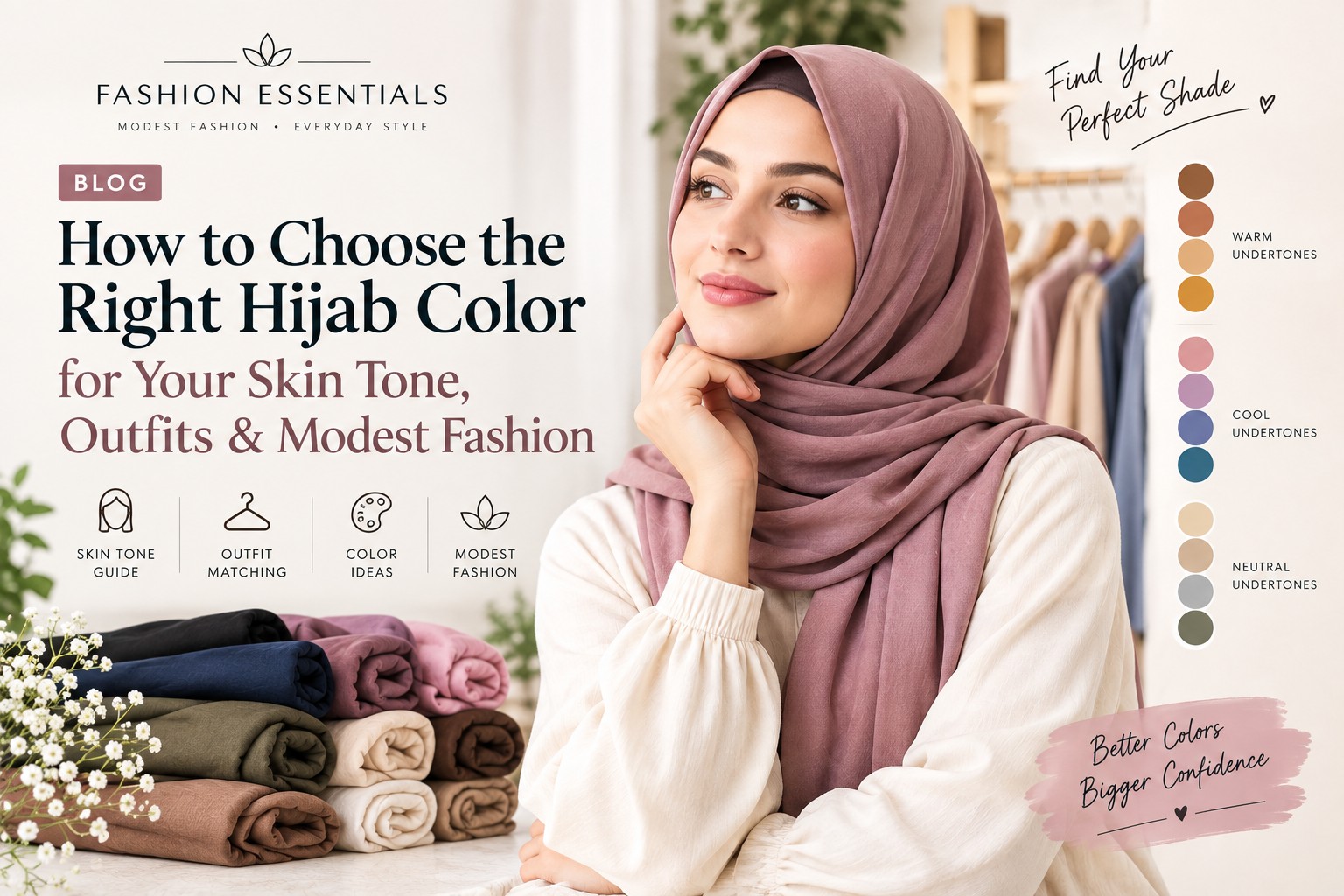
How to Choose a Hijab Color
If you’re building your first hijab collection, begin with colors that work with several outfits.
Versatile choices can include:
- Black
- Beige
- Cream
- Brown
- Navy
- Grey
- Camel
Once you have a few neutral colors, you can add shades such as pink, maroon, mustard, olive, teal, or other colors that complement your wardrobe.
The goal is to create combinations rather than buying every color available.
Best Hijab Style for Everyday Wear
For everyday life, simplicity is often the most practical choice.
A good everyday hijab style should be:
- Comfortable
- Easy to put on
- Secure enough for daily activities
- Appropriate for your outfit
- Easy to adjust
You don’t need to spend a long time creating your hijab every morning.
Once you find a simple style that works for you, you can use it as your everyday base and change the fabric or color to create different looks.
Common Beginner Hijab Mistakes
Learning how to wear a hijab takes practice.
Here are some common mistakes beginners can avoid.
Making the Hijab Too Tight
A tight hijab may feel uncomfortable after several hours.
Aim for a secure but comfortable fit.
Using Too Much Fabric Around the Face
Too many layers can create unnecessary bulk.
Try removing some layers if the style feels heavy.
Choosing a Difficult Fabric
Some fabrics require more experience to style.
Start with a fabric you can comfortably manage.
Ignoring the Undercap
If your hijab keeps moving, an appropriate undercap may make styling easier.
Trying Complicated Styles Too Soon
Master one simple style first.
Once you’re comfortable, experiment with more advanced techniques.
How Long Does It Take to Learn How to Wear a Hijab?
There is no fixed amount of time.
Some beginners become comfortable with a basic wrap after practicing several times, while others need more time to find a style that works for them.
Don’t compare your first attempts with highly polished hijab tutorials.
Focus on learning:
- How to position the scarf.
- How to create your preferred face frame.
- How to secure the fabric.
- How to create comfortable draping.
Once those basics become familiar, styling becomes much easier.
Frequently Asked Questions
How do you wear a hijab for the first time?
Start with a comfortable rectangular hijab. Place it over your head, leave one side longer, secure it comfortably under your chin, wrap the longer side around your head, and adjust the fabric around your face and shoulders.
What is the easiest hijab style for beginners?
A simple rectangular scarf wrap is one of the easiest styles to learn because it requires relatively few steps and allows you to adjust the amount of fabric around your face and shoulders.
Do you need an undercap to wear a hijab?
No. An undercap is optional, but it can help provide a secure foundation, contain hair, and reduce movement depending on the hijab fabric and style.
How do you stop a hijab from slipping?
Try using a suitable undercap, choosing a fabric with more grip, adjusting your wrapping technique, or using a suitable pin or magnet where necessary.
Which hijab fabric is easiest to wear?
There isn’t one fabric that works for everyone. Stretchy jersey can be convenient for beginners, while georgette and other slightly textured fabrics may also be manageable. Your choice should depend on your comfort and preferred style.
Final Thoughts
Learning how to wear a hijab doesn’t have to be complicated.
Start with one comfortable hijab and one simple wrapping technique. Practice until positioning, securing, and adjusting the fabric become natural.
As you become more confident, experiment with different fabrics, colors, shapes, and styles.
Most importantly, choose hijabs that fit your lifestyle. A comfortable everyday hijab that you can put on easily is often more useful than a complicated style that takes too much time.
Explore Fashion Essentials for hijabs, stoles, and modest fashion essentials designed for comfortable everyday styling.